About De-Influenced · Independent · UK · No brand ads
Not sure if that supplement is worth it?
De-Influenced is a simple check before you buy. We read the claim on the product web page against the ingredients and amounts, and tell you, in plain English, what holds up and what doesn’t.
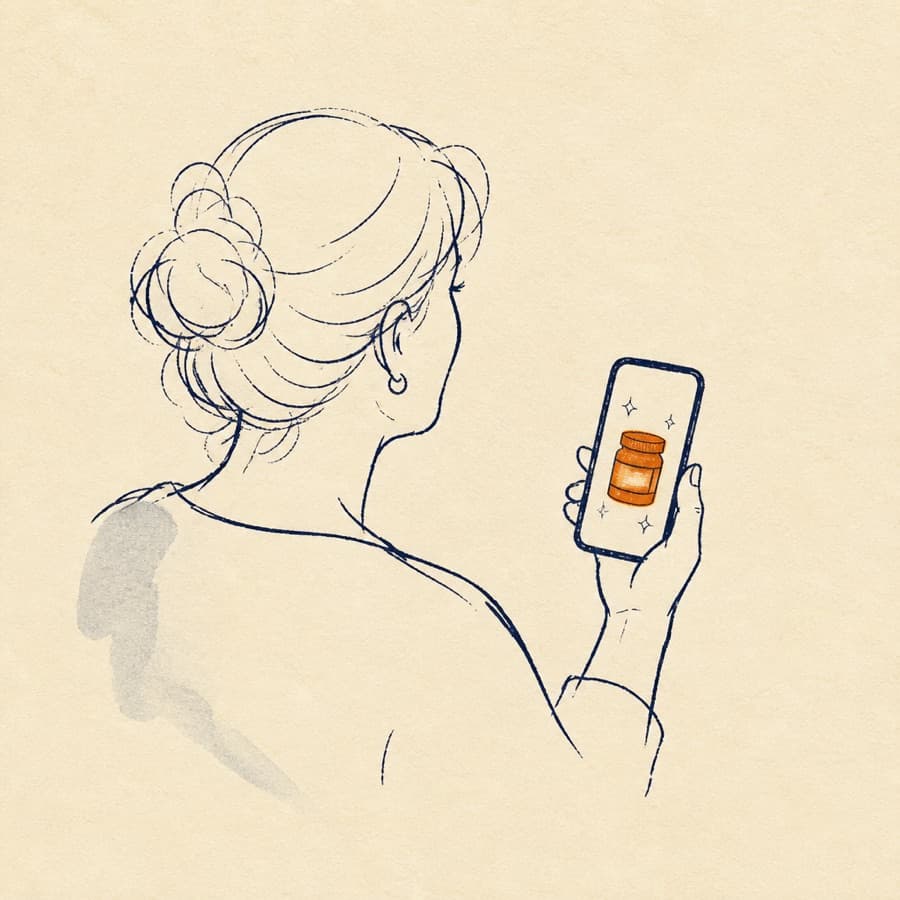
You’ve got a product open on your phone, maybe from an ad or someone you follow, and a quiet doubt: “Is this actually going to do what it says?” That’s the moment this is for.
You pay us, brands don’t · No commission on alternatives · We say “can’t tell” when we can’t · First check free with an account
How it works
Three steps. A few minutes.
You don’t need to know the science. You bring the product. We do the reading.
- Paste the product page
- Copy the link from the shop or brand site you’re looking at.
- Photo the ingredients label
- A clear photo of the back of the pack, or a screenshot of the ingredients panel. Either one shows us the real amounts, not just the marketing.
- Read your report
- Plain English on the claim, the dose, what research says, and clearer options if we find any.
Your first check is free with an account. Same method every time, paid or free.
Why people use it
Because the ad is easier to trust than the label.
Supplements often sound confident. The small print is harder. People come to us when they’re spending real money and want a straight answer, not another sales pitch.
- “It’s all over my feed.”
- A creator you like is promoting it. You want a second opinion that isn’t paid by the brand.
- “The price made me pause.”
- It’s not cheap. Before you commit, you want to know if the formula matches the claim.
- “I can’t tell what’s actually in it.”
- Blends hide amounts. Fancy names hide weak doses. We translate the label into something readable.
- “I’ve been burned before.”
- A tub that did nothing. This time you want the claim checked before checkout, not after.
What we check
The same questions a careful friend would ask.
We don’t invent a magic “health score”. We answer practical questions about this pack.
- What is it sold to do?
- We start from the claim on the product itself: the actual words, not a softer version.
- Is there research in people for that?
- Not animal studies waved about. Not a different benefit entirely. The same kind of result.
- Does this pack match that research?
- Right ingredient, right form, and enough of it. Hidden amounts mean we say we can’t tell.
- What are you paying for?
- Cost per serving and how clear the label is come after the evidence. They never rewrite it.
Want the full detail of how a report is written? That’s on a separate page, with a worked example. How your report works →
What we keep seeing
Common marketing tricks.
Most people never read the ingredients list. They hear the chorus first: the reviews, the “it worked for me”, the science-sounding words. Not every brand plays these games. Enough do that a pause pays for itself.
- Five-star walls and “it worked for me”
- Reviews and testimonials can be sincere and still say nothing about whether this formula matches this claim. One person’s glow-up is not a study of the product in your hand.
- Big words, basic formula
- “Clinically studied”, “bioavailable”, “synergistic”. The language can sound extraordinary while the tub holds familiar nutrients at everyday amounts.
- A study that doesn’t quite match the bottle
- The citation can be genuine and still be the wrong dose, the wrong form or a different result. The leap to this pack is what needs checking.
- Famous face, premium price
- You’re often paying for the name, the feed and the packaging as much as what’s inside. Association feels like proof. It isn’t.
- What the label itself can hide
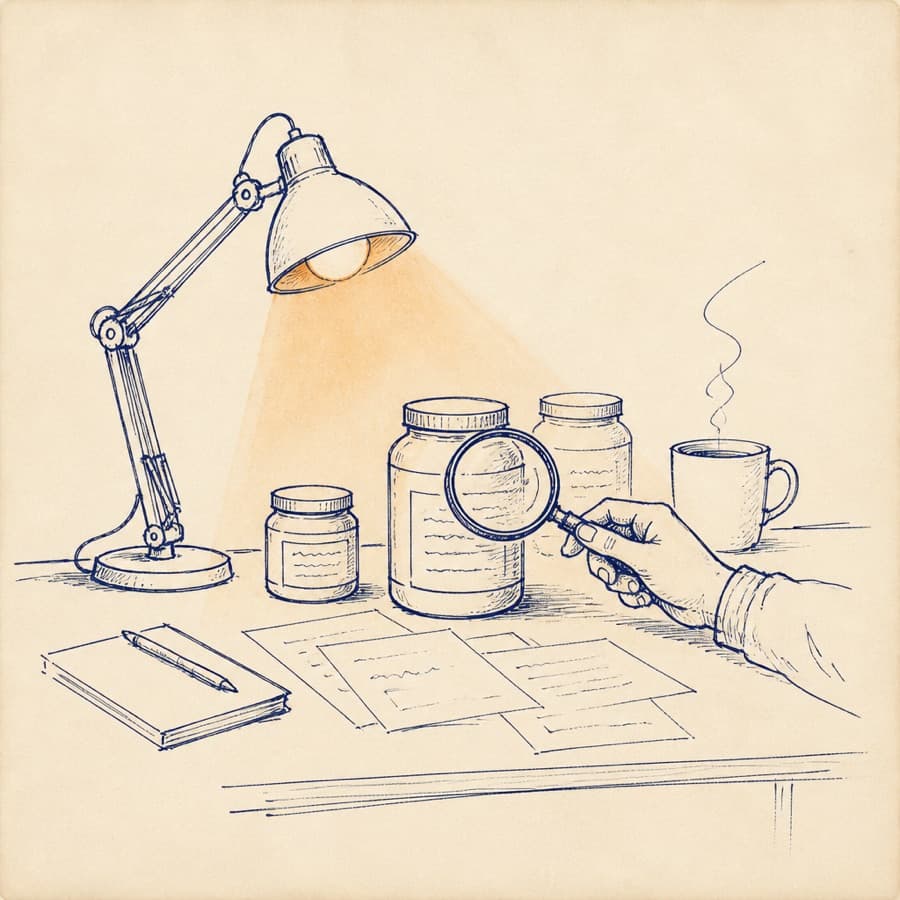
- Amounts tucked into a “blend”. A sprinkle sold as a star ingredient. A cheaper form of the same nutrient. That’s why we ask for the ingredients photo: the marketing page is only half the story.
The noise is loud on purpose. The useful question stays quiet: what’s actually under the lid, and does it earn the claim?
Who pays us
You do. Brands don’t.
If a cheaper product comes out better, we earn nothing either way. That’s the point.
- No brand ads
- We don’t take money to feature or rank a supplement brand.
- No cut of sales
- We don’t earn commission when we point you to an alternative.
- Happy to say “can’t tell”
- If the label hides the dose, we say so. We don’t guess to sound clever.
Who we are
A small, independent UK team.
De-Influenced was founded in the UK by Liz Whittaker: twenty years in healthcare IT, and a decade of spending real money on supplements that could not be judged from the label. The checking started by hand, labels cross-referenced against published research, until building a tool became easier than repeating it. We keep it independent so the answer never depends on who is selling.
Read the full story: why we built this →
What this is not
Clear limits. No false comfort.
- Not medical advice
- We don’t tell you what to take for a condition. That’s your clinician. We check the product claim against the label and published research.
- Not a single “health score”
- There’s no one number for “does this work”. The only 0–100 score measures how clear the label is, and it sits at the bottom on purpose.
- Not a lab test of the tub
- We read what the label says. We can’t see purity, contamination, or whether the factory filled it exactly as printed.
- Not anti-supplement
- Some products are well made and fairly labelled. We’re against hype that outruns the formula, not against people looking after themselves.
Got a product open? Check the claim before you buy.
Paste the link, upload the ingredients label, get a plain-English report. Your first check is free with an account.
Think we got something wrong? Tell us and we’ll recheck it. · Reader-funded · no brand ads · no commission on alternatives.
Journalists: bios, quotes, a dated fact sheet and photos are on the press page.
De-Influenced is an educational supplement label analysis tool. It does not provide medical advice, diagnose conditions, treat disease or classify products as medicines, and it does not tell you what supplements to take. Always speak to a qualified healthcare professional before changing your supplement routine.