We have analysed 7 creatine supplements to date.

7 creatine products checked. 4 count as having enough creatine in a day's serving to match the strength trials. A gummy or chew counts only with a passed lab test. Creatine is something your muscles use to refuel during short, hard efforts. Your body makes some, and meat and fish add more. Taken alongside resistance training, it is one of the best-proven supplements there is. The marketing has since moved on to the brain, the menopause and "better" forms, and that is where the labels start to drift from the trials.

We don't crown a winner, but we do say how we would choose one, and the table shows which labels print the dose, which form they use, what 3 g a day costs and which have been lab tested.

What were you hoping it would do?

Strength and power

7 of the 7 claim to help with strength or power.

What the trials saySupported with training

3 to 5 g of monohydrate a day, alongside resistance training, in 69 trials of nearly 2,000 people. Independent and industry-funded trials agree. This is the claim creatine earns.

What the trials found

Try this instead

Check your tub before you buy. We show whether its creatine is monohydrate, whether a day's serving reaches 3 g, and what that costs against a plain powder.

Check your tub

Creatine types: monohydrate, HCl, micronised and Creapure

Every trial that made creatine's name used creatine monohydrate. The others are sold on absorption and stomach stories. In most head-to-head trials, none did better.

  • Monohydrate

    What it is
    Creatine bound to one water molecule. The studied form.
    What the trials used
    3 to 5 g a day, with resistance training, in hundreds of trials.
    Typical label
    3 to 5 g per scoop.
    Our verdict
    Proven for strength, with training.
  • Micronised

    What it is
    Monohydrate milled finer. The same molecule.
    What the trials used
    Monohydrate's trials apply; the grind changes how it mixes, not what it does.
    Typical label
    3 to 5 g per scoop.
    Our verdict
    Same as monohydrate.
  • Creapure, Creavitalis

    What it is
    Brand names for monohydrate made by one German maker, which says it tests every batch for impurities.
    What the trials used
    Monohydrate's trials apply. The brand is a purity promise, not a different ingredient.
    Typical label
    3 to 5 g per scoop.
    Our verdict
    Same as monohydrate.
  • HCl

    What it is
    Creatine bound to hydrochloride. Sold as "more soluble, smaller dose".
    What the trials used
    A handful of small trials. Most found it did no better than monohydrate; one small 2026 trial found it better for sprints and jumps.
    Typical label
    0.75 to 2 g, often "equal to 5 g monohydrate".
    Our verdict
    Not proven. Monohydrate's trials do not count for it.
  • Buffered, ethyl ester, nitrate

    What it is
    Chemistry tweaks sold on "no bloating" or "no breakdown in the stomach".
    What the trials used
    Head-to-head, buffered creatine and nitrate matched monohydrate at best. The ethyl ester raised blood creatine less and was no better for muscle or strength.
    Typical label
    1.5 to 3 g.
    Our verdict
    Not proven.

A different form has to earn its own evidence. None has.

A brand name tells you who made the monohydrate. "Micronised" tells you how finely it is ground. Neither changes the dose you need or what it does.

Three formats, one dose

  • Powder

    A serving
    One scoop, usually 3 to 5 g.
    To reach 3 g
    One scoop.
    Watch for
    Two numbers: "creatine monohydrate 5 g, of which creatine 4.4 g". The trials measured monohydrate, so the first number is the one to compare. We use it too.
  • Capsules and tablets

    A serving
    0.5 to 1.25 g each.
    To reach 3 g
    Three to six capsules. The pack's "servings" are often one capsule, so the price per day is not the price per capsule.
    Watch for
    A "1,000 mg" headline that is one capsule of a four-capsule dose.
  • Check the dose per piece

    Gummies and chews

    A serving
    Often 0.5 to 1.5 g per gummy, so 3 g is three to six gummies.
    To reach 3 g
    Count them. Many packs print the dose for one and the servings for one.
    Watch for
    Creatine can break down inside a moist gummy. See what lab tests found.

The format changes what a "serving" means. The dose the trials used does not change.

Do you need a creatine loading phase?

FullHalfwayUsualDay 0Week 1Week 2Week 3Week 4Creatine stored in muscle (the shape of the curve, not a measurement of yours)
  • 3 g a day from day one
  • 20 g a day for 6 days, then a small daily dose

Three grams a day fills muscle stores in about four weeks. It is slower to start, and the result is the same.

  • The classic study gave one group 20 g a day for six days and another 3 g a day for 28 days. Both ended at about the same muscle level.
  • Loading uses about 100 g of extra powder in the first week, a month's worth at 3 g a day. It is also when the early water weight shows most.
  • After you stop, stores fall back to normal over about four to six weeks.

Curve shape after Hultman 1996 (PMID 8828669), a study in men only.

How to choose the best creatine

We don't crown a product, because the right tub depends on the format you will actually take. These five checks are how we would pick one. The table below lets you apply them.

  1. Plain creatine monohydrate

    Micronised, Creapure and Creavitalis all count. It is the form the trials used. In most head-to-head trials, HCl, buffered and "advanced" forms did no better.

  2. 3 to 5 g in a day's serving

    Printed on the label. For capsules, gummies and chews, count how many pieces that takes.

  3. Matters most for gummies and chews

    Independently tested for what is inside

    Tests have found gummies with far less creatine than their labels say. Look for a published lab result for your batch, or a Verifier Lab mark. An anti-doping logo such as Informed Sport checks for banned substances, not for how much creatine is in the tub.

    1 of the 7 tubs on this page has an independent lab result.

  4. The price of 3 g a day

    Not the price of the tub, and not the price of a "serving". A plain powder is usually the cheapest way there.

  5. Nothing extra you don't need

    "Brain", "women's" and "advanced" formulas use the same creatine at a higher price per gram, and the extras have not been shown to add to it.

How they compare

  • Dose printed
  • Amount hidden
Show
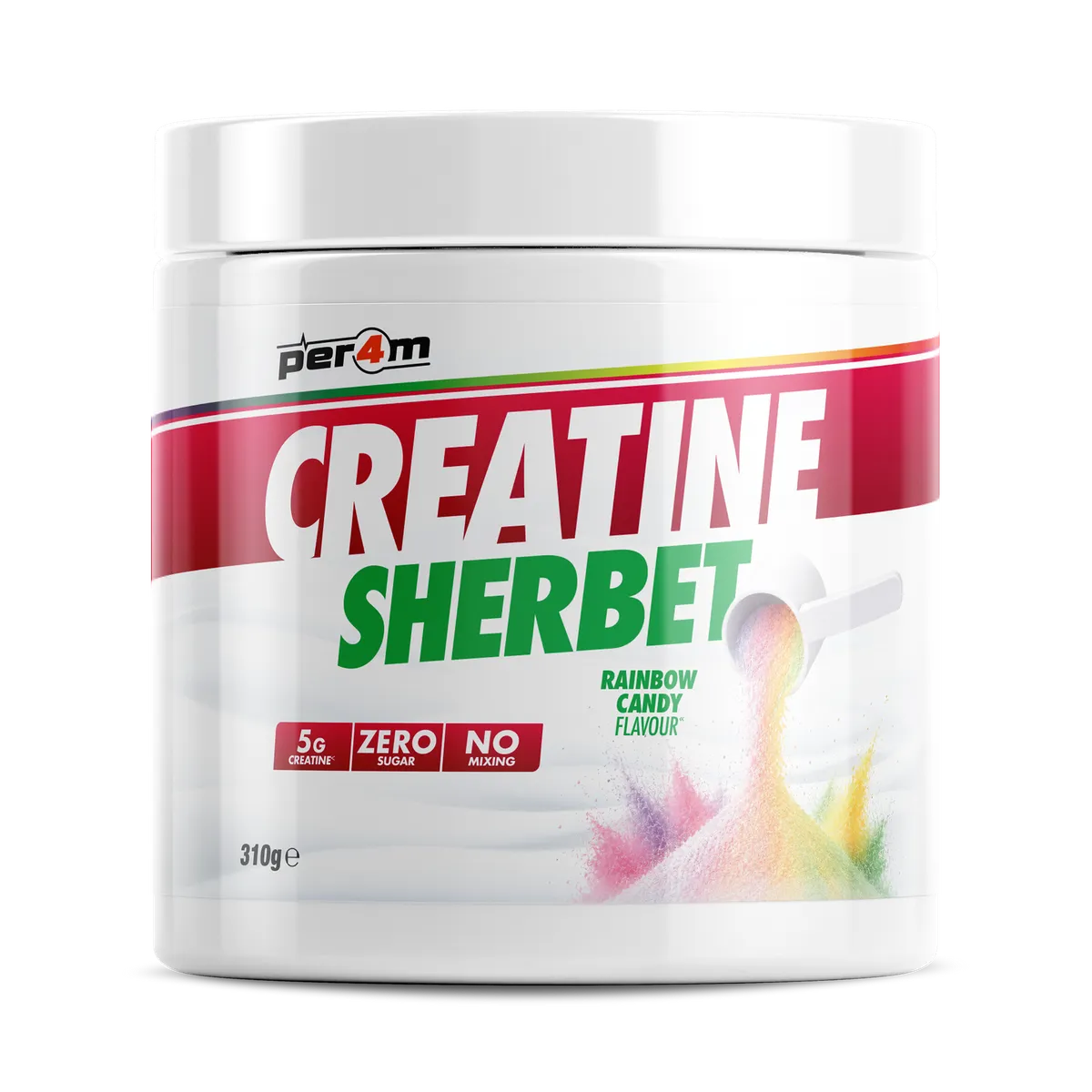
Creatine Sherbet Rainbow CandyPer4m Nutrition1 printed sentence making 1 claim Powder1 of 1doses disclosed
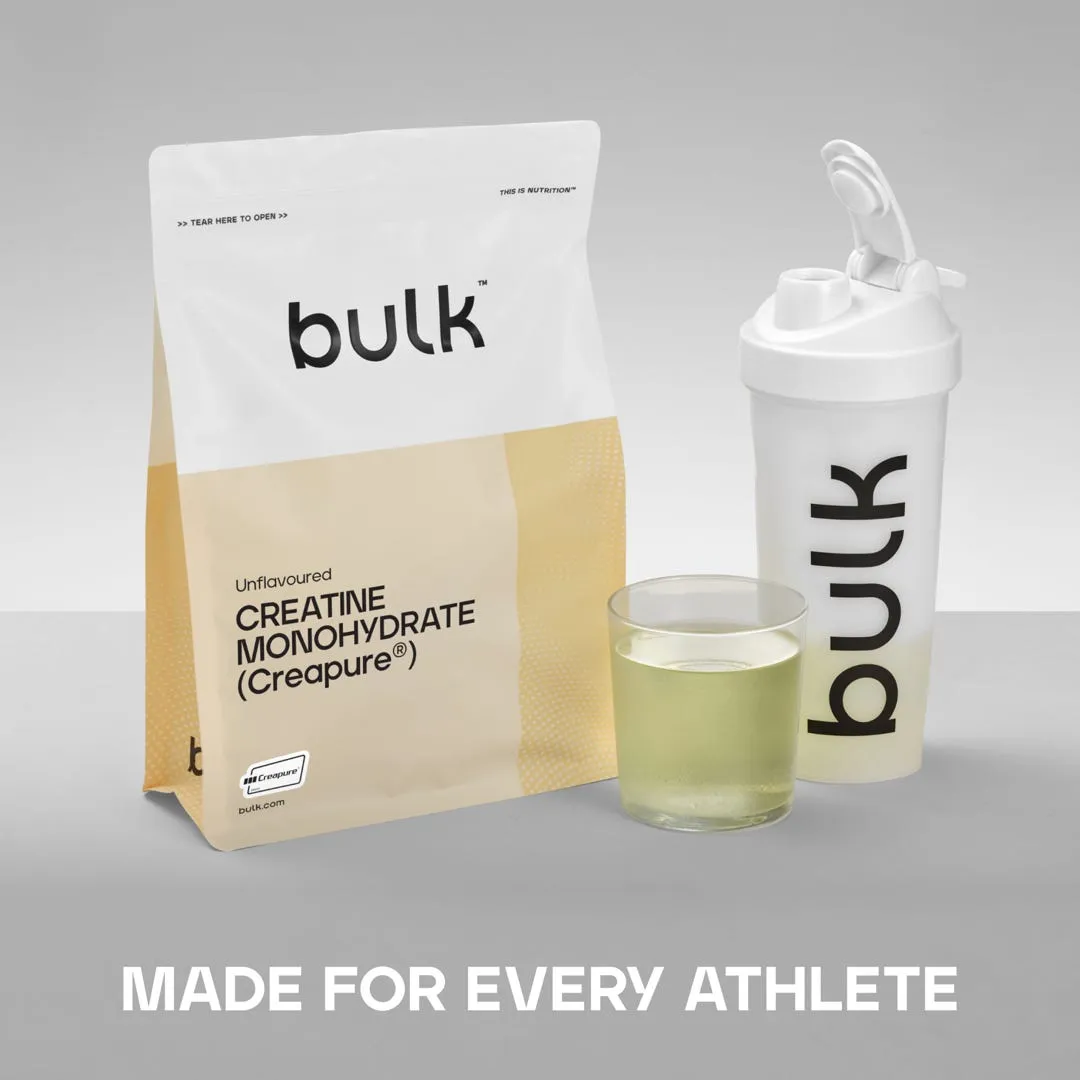
Creatine Monohydrate (Creapure®)Bulk2 printed sentences making 1 claim Powder1 of 1doses disclosed
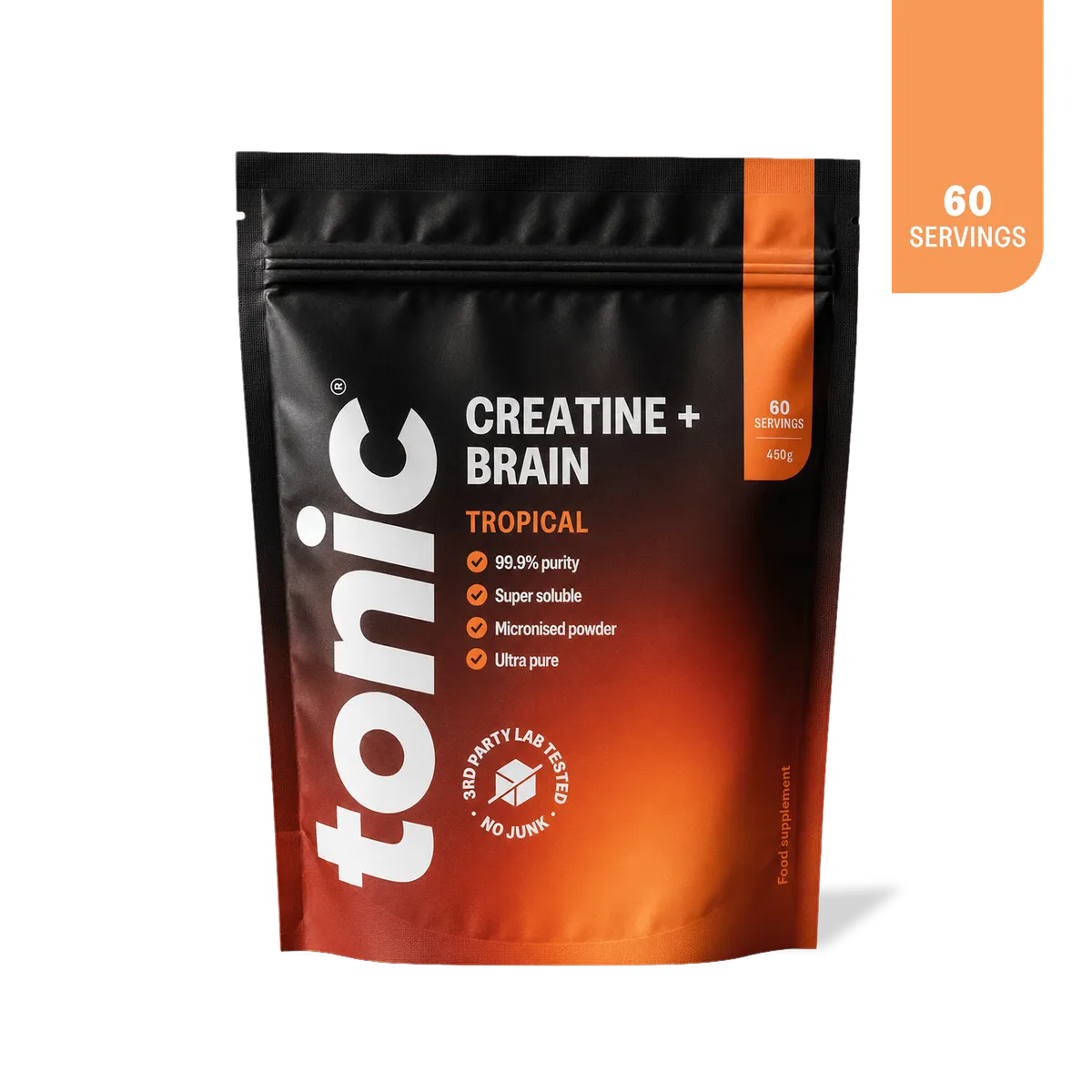
Creatine + BrainTonic Health11 printed sentences making 8 claims Powder4 of 5doses disclosed
Creavitalis® Creatine Monohydrate PowderLove Life Supplements5 printed sentences making 4 claims Powder1 of 1doses disclosed
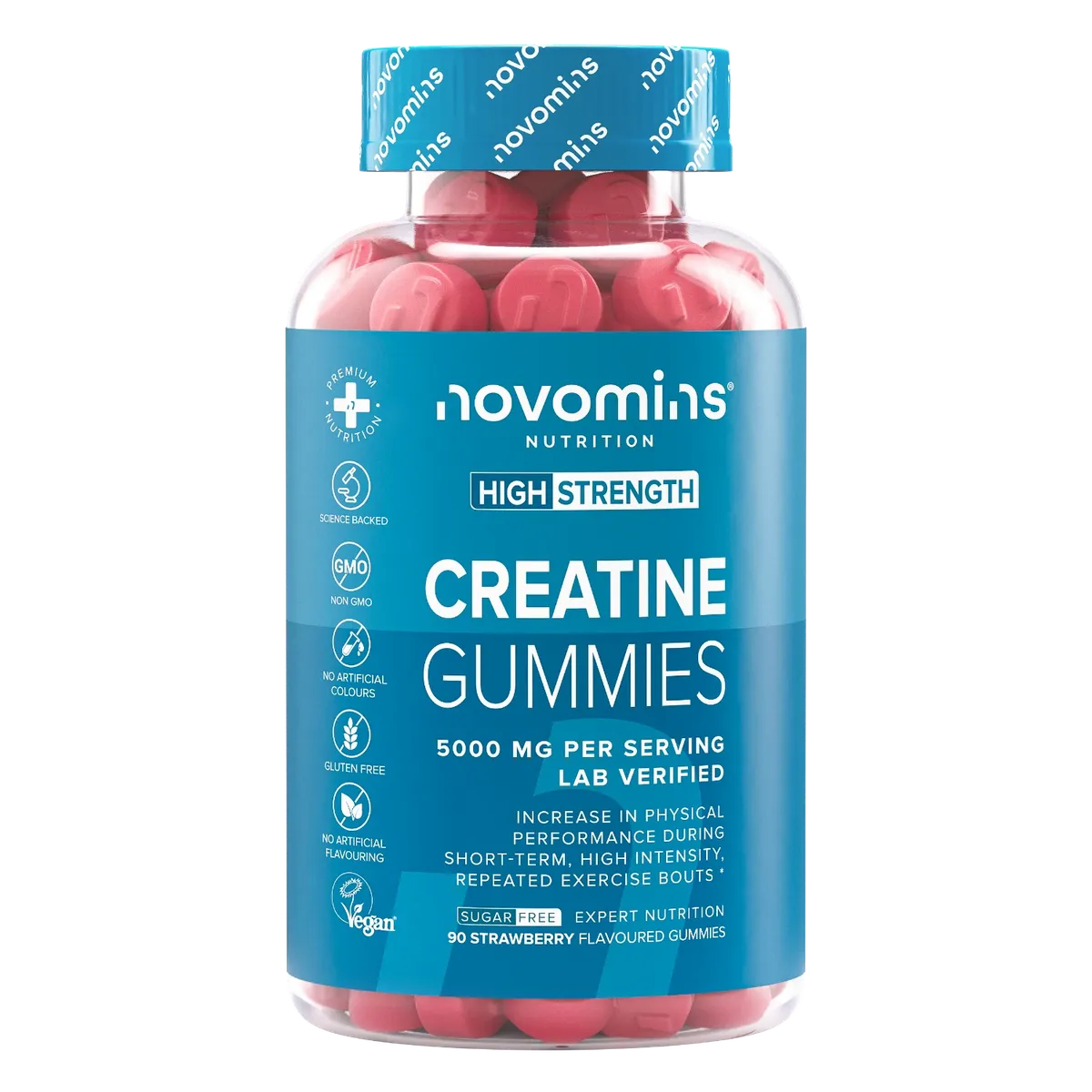
Creatine GummiesNovomins6 printed sentences making 5 claims Gummy1 of 1doses disclosed
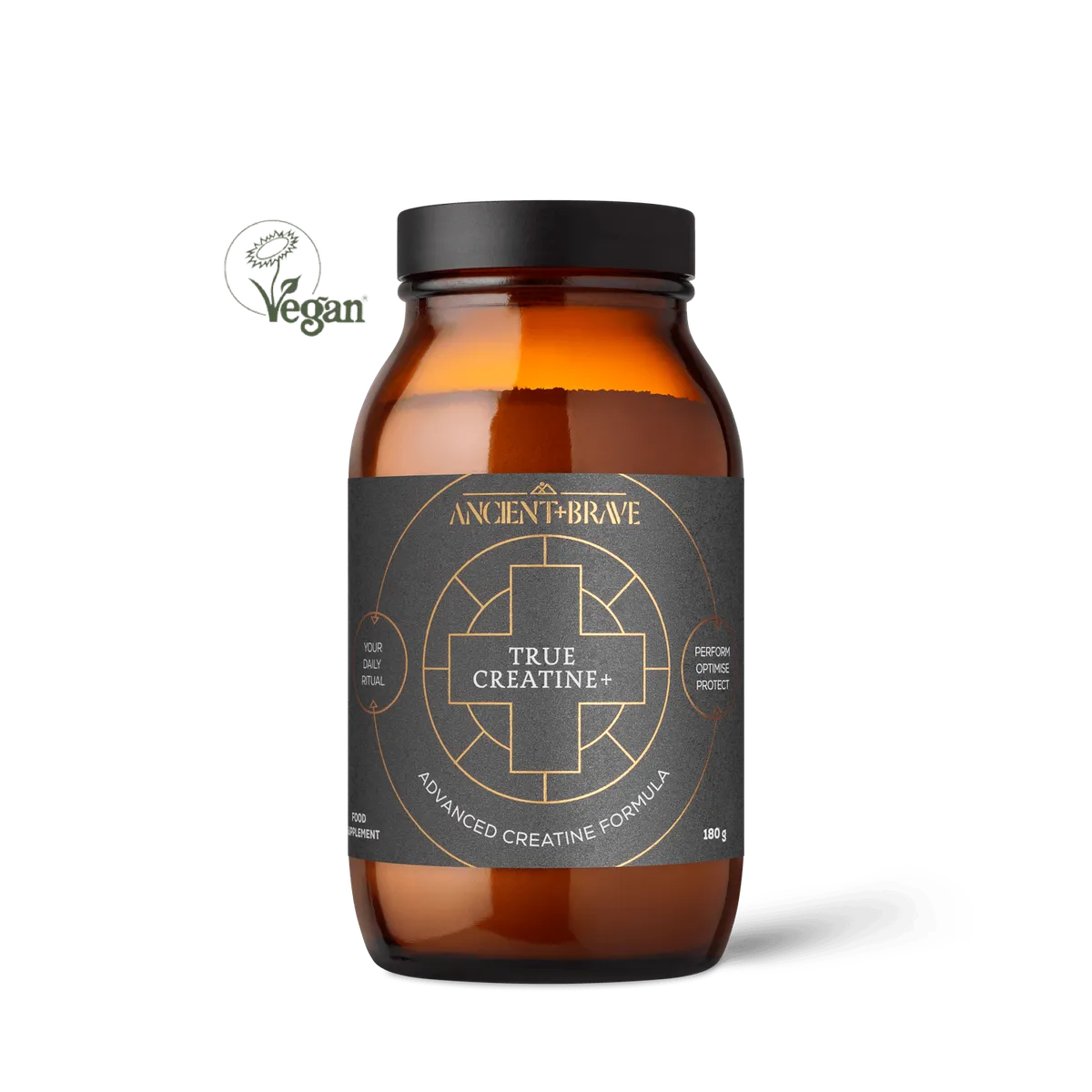
True CreatineAncient + Brave11 printed sentences making 11 claims Powder4 of 4doses disclosed
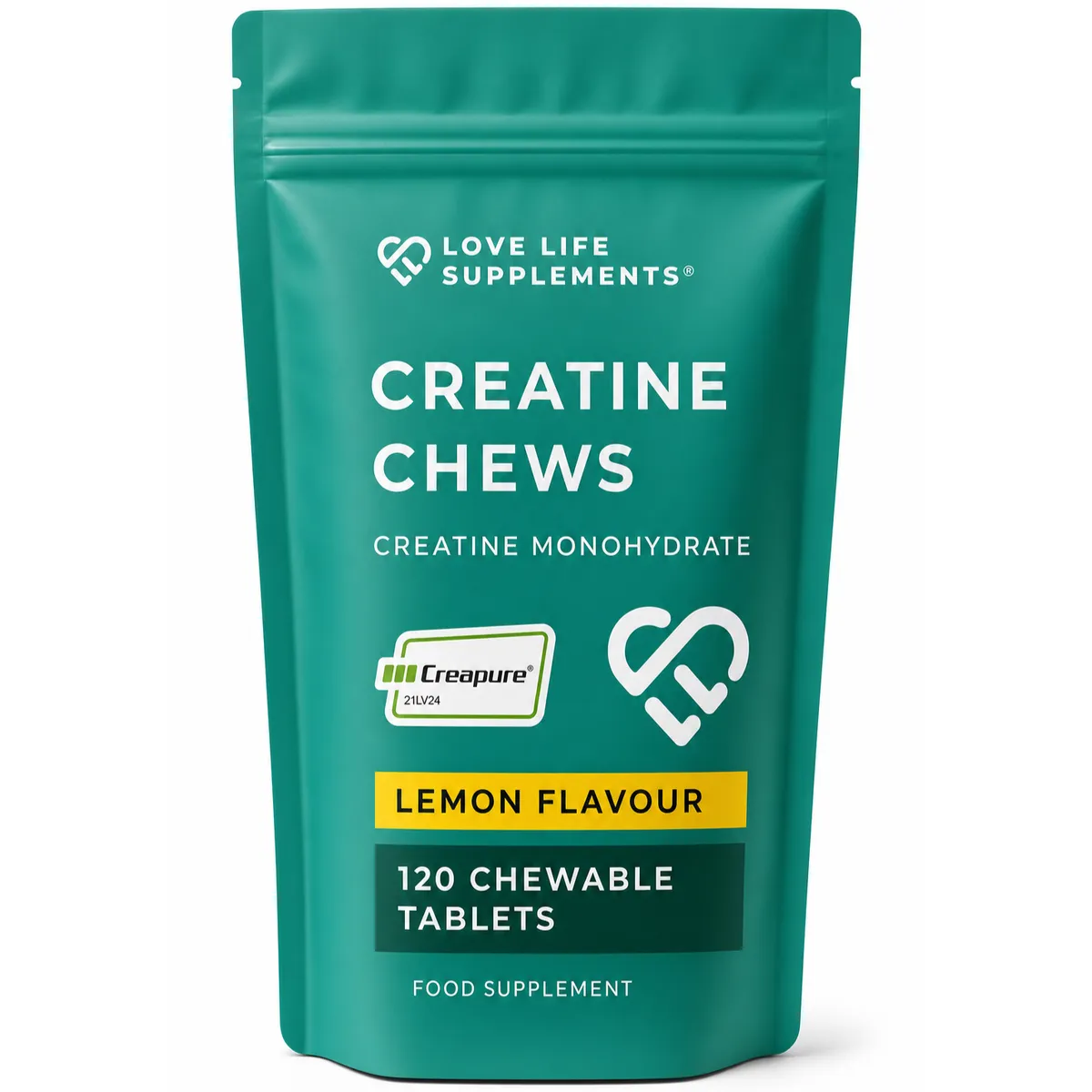
Creapure® Creatine ChewsLove Life Supplements4 printed sentences making 7 claims Tablet1 of 1doses disclosed

How to read the table

Creatine side effects and myths: what the trials found

Tap a card to turn it over. Most of these are worries that put people off a supplement that works. The brain claims get their own note below.

About the "creatine for your brain" adverts

The trials behind them are real and small. Creatine improved memory scores mainly in older adults and vegetarians, who start with less creatine in the body. In well-rested younger adults who eat meat, the trials mostly find nothing. The sleep-deprivation studies are a narrow, promising signal, not everyday focus. There is no placebo-controlled trial in Alzheimer's disease; the one human study is an open pilot of 20 people with no comparison group, and its brain-energy markers did not change. The first placebo-controlled trial, in people with early memory decline, began recruiting in 2026. A tub that says "brain" is not wrong to mention the research. It is wrong to sell it to you as if it were the strength evidence.

Two regulators have looked recently. In May 2026 the EU refused the creatine maker's own cognitive-function claim, because the evidence did not show cause and effect. On 14 October 2026 the UK's Advertising Standards Authority upheld a complaint against a creatine advert, and set out the only two things a creatine pack in Great Britain is authorised to claim:

  • "Creatine increases physical performance in successive bursts of short-term, high-intensity exercise."
  • "Daily creatine consumption can enhance the effect of resistance training on muscle strength in adults over the age of 55."

Everything else on a pack, from "brain" and "menopause" to "lean" and "energy", is the maker's own wording. We check each one against the trials.

Questions

What is creatine?

Something your muscles use to refuel during short, hard efforts like lifting or sprinting. Your body makes some, and meat and fish add more. A supplement tops up the stores in your muscles.

What is the best creatine supplement in the UK?

We don't crown one product, but this is how we would choose: plain creatine monohydrate, 3 to 5 g in a day's serving, independently tested for what is inside (most of all for gummies and chews), and the lowest price for 3 g a day. Of the 7 we have checked, 4 count as putting enough monohydrate in a day's serving (a gummy or chew counts only with a passed lab test), and 1 has an independent lab result. The checklist above the table goes through each point.

What are the benefits of creatine?

More strength, power and muscle when you take it alongside resistance training. That is one of the best-proven results in supplements. For the brain, the evidence is weak; for energy, bone and menopause symptoms, it was not shown or not tested. The strip at the top goes through each one.

How much creatine should I take a day?

The trials used 3 to 5 g of creatine monohydrate a day. Most gave it every day, and nothing we hold says you need to cycle off. A loading week is optional. That is the amount studied, not advice for you personally.

How long does creatine take to work?

Muscle stores fill in about a week with a loading phase, or about four weeks at 3 g a day. The strength trials then ran for weeks to months alongside training, so expect any change to show in your training over that time, not overnight.

Will creatine work if I do not go to the gym?

Not for muscle. Across 35 trials, people who did resistance training gained about 1.1 kg more lean mass with creatine; people who did not train gained almost nothing.

Do I need creatine if I eat meat?

Meat and fish contain creatine, so meat-eaters start with fuller stores than vegetarians and vegans. The strength trials worked in both. The memory results show up mainly in vegetarians, because they start lower.

Is creatine good for women?

Yes, for the same thing it does for men: strength and muscle alongside resistance training. The strength trials included women, and a 2026 review in women after the menopause found the same pattern, though the longest trial in that group, two years in 237 women, found no extra strength.

What is the best creatine for women?

The same plain creatine monohydrate as anyone else, at 3 to 5 g a day. Packs sold for women often cost more per gram for the same molecule. For women over 50, the trials paired it with resistance training, and that pairing is where the gains showed.

Is creatine good for menopause?

Not for symptoms. A 2026 review of 7 trials in postmenopausal women found a little extra strength and lean mass when creatine was taken at 5 g a day or more alongside resistance training. 3 g a day without training showed nothing, and bone density did not change. The longest trial, two years in 237 women with weight training, found no extra strength. Hot flushes, sleep, mood and "brain fog" were not measured, and several of the authors have creatine-industry ties.

Is creatine good for the brain, ADHD or brain fog?

The memory results come mainly from older adults and vegetarians. We hold no trial in ADHD, "brain fog" was not measured, and there is no placebo-controlled trial in Alzheimer's disease. The note on brain adverts above has the detail.

Can I take creatine with coffee?

Yes, as far as the trials show. An early small study suggested daily caffeine might cancel out creatine's benefit, but later trials, including one using coffee, did not confirm it, and caffeine taken before exercise still helped after creatine. One trial saw mild stomach upset when caffeine was added to a 20 g loading dose.

Does creatine help with anxiety?

No trial has tested it. Two small trials that measured anxiety alongside other things found no change.

Is Creapure worth paying more for?

Creapure is monohydrate from one German maker that says it tests every batch for impurities. It is not stronger. That testing is the maker's own statement, and no independent test has compared it with unbranded creatine. A 2011 Italian survey found about one creatine product in seven over EU limits for two manufacturing impurities, but it did not compare brands. Whether the testing is worth the extra is your call; a Verifier Lab result on a plain powder answers the same question for that tub.

Does creatine affect blood test results?

Yes, one of them. Creatine raises creatinine, the number a kidney blood test uses, by a small amount on average, simply because you are taking it. That can make your kidneys look as if they are working less well when they are not: in trials that measured kidney filtration directly, it did not fall. Tell the doctor you take creatine before a blood test.

Who should not take creatine without advice?

Anyone with kidney disease, anyone pregnant or breastfeeding, and anyone under 18 should talk to a GP or pharmacist first. The trials were in healthy adults.
What the trials actually found

One short note per goal, in the same order as the strip at the top. The small numbers point to the trials listed under each note. These are ingredient facts, not product facts: no tub is named.

Strength and power

Pooling 69 trials of nearly 2,000 people, creatine monohydrate plus resistance training raised bench press, squat and jump more than a dummy pill plus the same training1. An older pooled analysis, publicly funded, points the same way2. The effect holds in older adults, not only young trainers3.

The trials

  1. 69 trials, 1,937 people: bench press up 1.4 kg, squat up 5.6 kg, sprint-cycle peak power up 48 W, against a dummy pill with the same training. Kazeminasab 2025, PMID 40944139
  2. 16 trials: bench press up 6.9 kg and squat up 9.8 kg against a dummy pill. Dempsey 2002, PMID 12485548
  3. 22 trials in older adults: lean mass up 1.4 kg, chest and leg press improved. Chilibeck 2017, PMID 29138605

Muscle

Across 35 trials creatine added about 1.1 kg of lean mass with resistance training, and almost nothing without it1. Early weight gain includes water2, but a 12-week training study measured larger muscle fibres, which is real growth3.

The trials

  1. 35 trials: 1.1 kg more lean mass with training; 0.03 kg, not a clear change, without it. Delpino 2022, PMID 35986981
  2. Early body-mass gain included more total body water. Powers 2003, PMID 12937471
  3. 12 weeks of training: more fat-free mass and larger muscle fibres than a dummy pill. Volek 1999, PMID 10449017

Brain and focus

A pooled analysis found a small memory benefit overall, carried by older adults; in younger people it was close to zero1. Six weeks of creatine improved memory in vegetarians2, made no difference in rested young adults3, and a pre-registered trial of 123 people was largely negative4. During sleep loss, creatine blunted part of the decline in small studies5 and not in another6.

The trials

  1. Memory improved a little overall: clearly in 66 to 76 year olds, barely at all in 11 to 31 year olds. Prokopidis 2023, PMID 35984306
  2. 5 g a day for 6 weeks in vegetarians: working memory and a reasoning test improved. Rae 2003, PMID 14561278
  3. Well-rested young adults: no difference across a battery of thinking tests. Rawson 2008, PMID 18579168
  4. Pre-registered, 123 people: one memory test borderline, reasoning unchanged, vegetarians no better off. Sandkühler 2023, PMID 37968687
  5. Less decline in thinking and mood after 24 hours awake, on 20 g a day for 7 days. McMorris 2006, PMID 16416332
  6. Did not prevent the decline in a hand-eye task caused by mental fatigue. Van Cutsem 2020, PMID 31403610

Energy

The trials measured short, hard efforts like lifts and sprints, where creatine helps muscles refuel1. None we hold measured how energetic people feel day to day, so we cannot say creatine changes that.

The trials

  1. Across 69 trials, sprint-cycle peak power rose by about 48 W against a dummy pill with the same training. Kazeminasab 2025, PMID 40944139

Menopause and midlife

One review in postmenopausal women found modest extra strength and lean mass when creatine was paired with resistance training, and bone density unchanged1. The longest trial, two years in 237 postmenopausal women doing weight training, found no extra strength on the bench press or hack squat2. We hold both as context only: neither answers hot flushes, sleep, mood or hormones.

The trials

  1. 7 trials, 608 women: gains only with training; no 3 g against 5 g comparison; several authors with creatine-industry ties; not registered in advance. Naddafha 2026, PMID 42141930
  2. 237 postmenopausal women, two years, with weight training and walking: no extra strength on the bench press or hack squat; some lean mass gain among those who finished. Chilibeck 2023, PMID 37144634

Bone

In the longest trial, two years in 237 postmenopausal women doing weight training, creatine made no difference to bone density1. Another two-year trial, without exercise, found the same2. Pooled trials in adults over 50 agree3. No trial has measured fractures.

The trials

  1. 237 postmenopausal women, two years, with weight training and walking: no change in bone density at the hip or spine; the narrowest part of the hip kept its shape slightly better. Chilibeck 2023, PMID 37144634
  2. 200 postmenopausal women with low bone density, 3 g a day for two years without exercise: no change in bone density, structure or markers. Sales 2020, PMID 31257405
  3. 5 trials, 193 adults over 50 doing weight training: no difference in bone density at any site. Forbes 2018, PMID 29740583