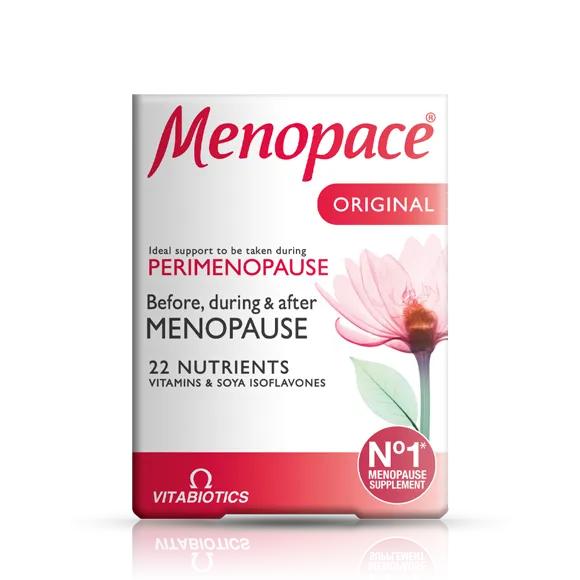
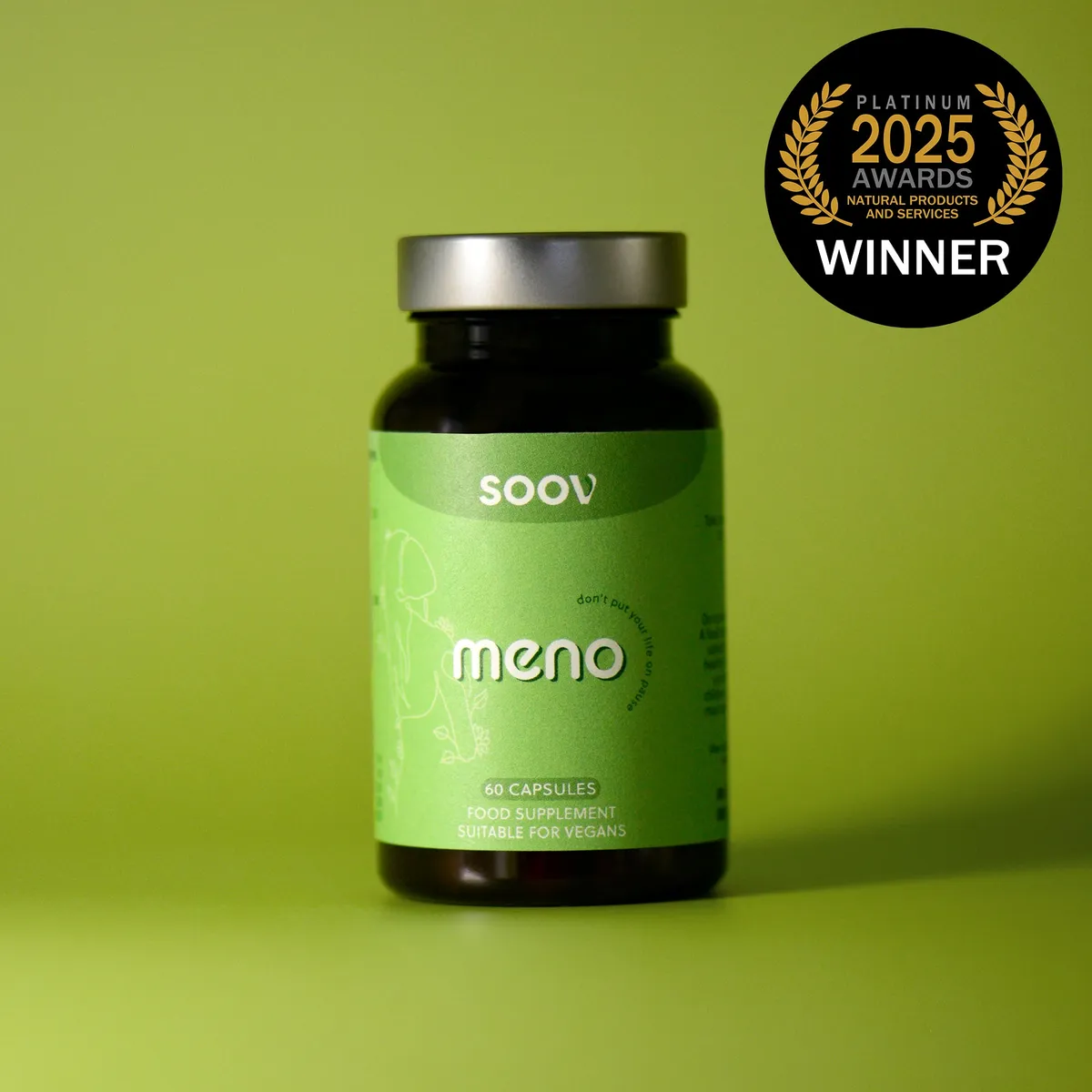
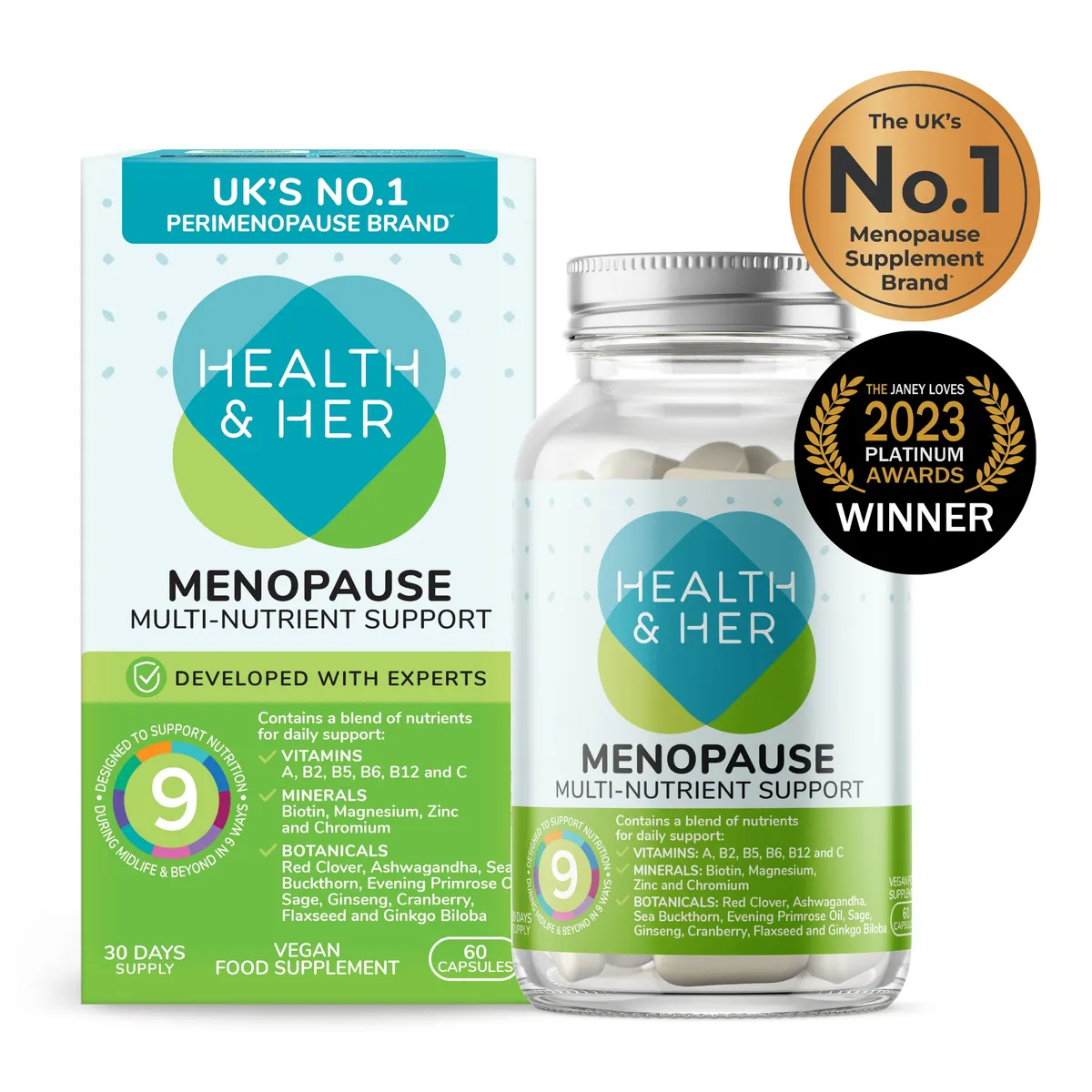
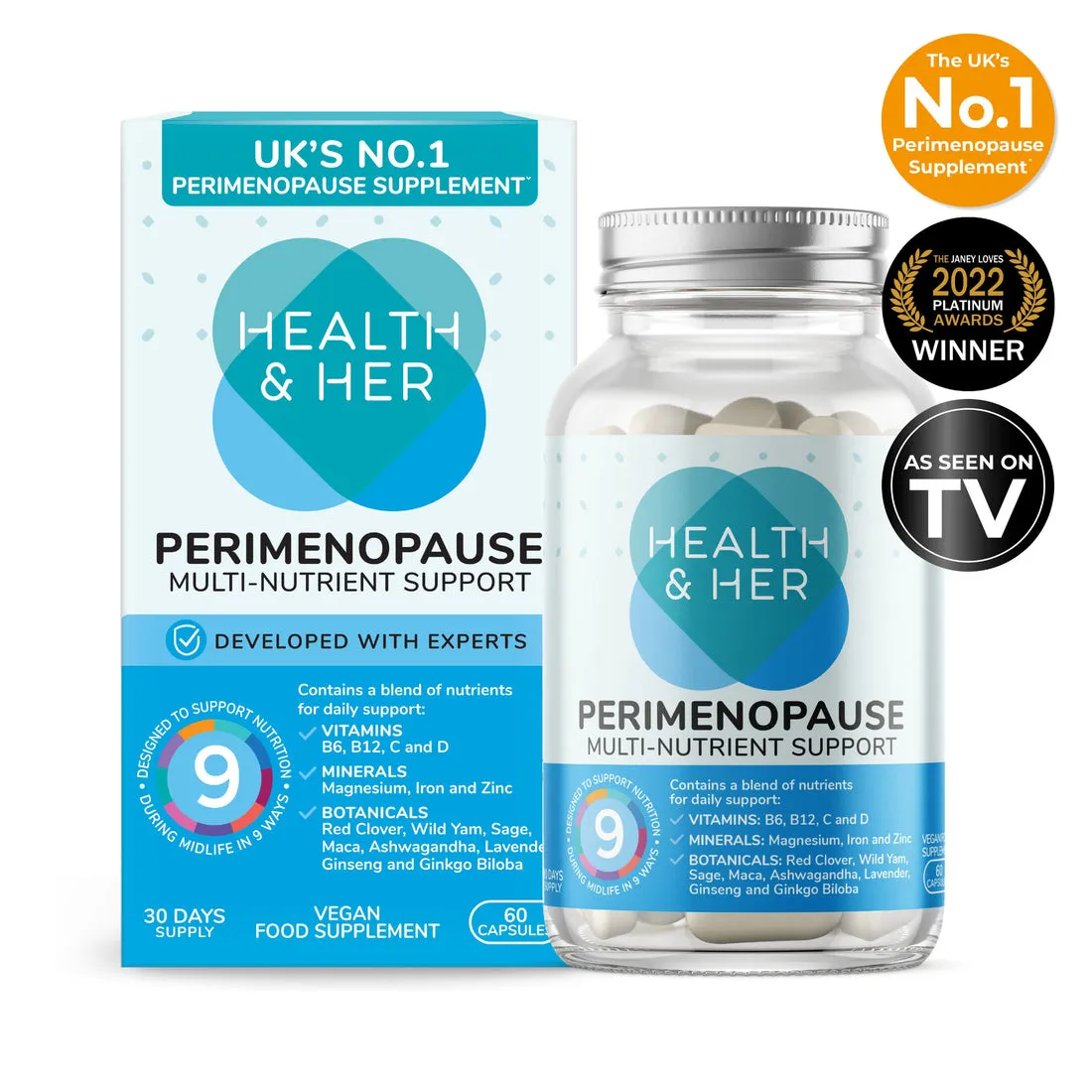
3 of the 7 claim to help with tiredness or energy. 3 more mention it only in standard vitamin wording, which describes the vitamin, not what the tub does in menopause.
4 of the 7 claim to help with brain fog, memory or focus. 2 more mention it only in standard vitamin wording, which describes the vitamin, not what the tub does in menopause.
Check your tub before you buy. We show which of its ingredients have been studied for memory and focus, in whom, and whether your tub has the dose that was used.
3 of the 7 claim to help with low mood. 2 more mention it only in standard vitamin wording, which describes the vitamin, not what the tub does in menopause.
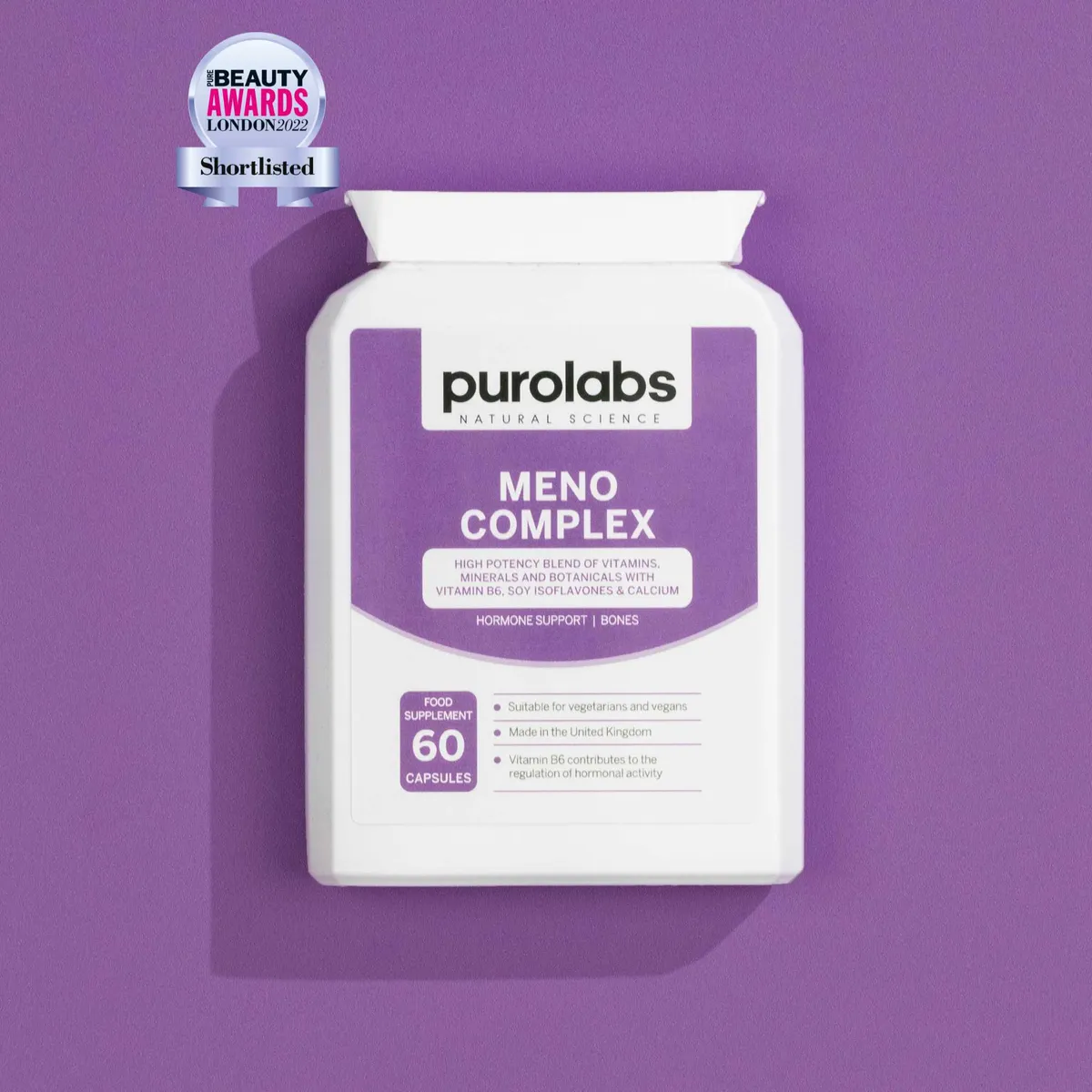
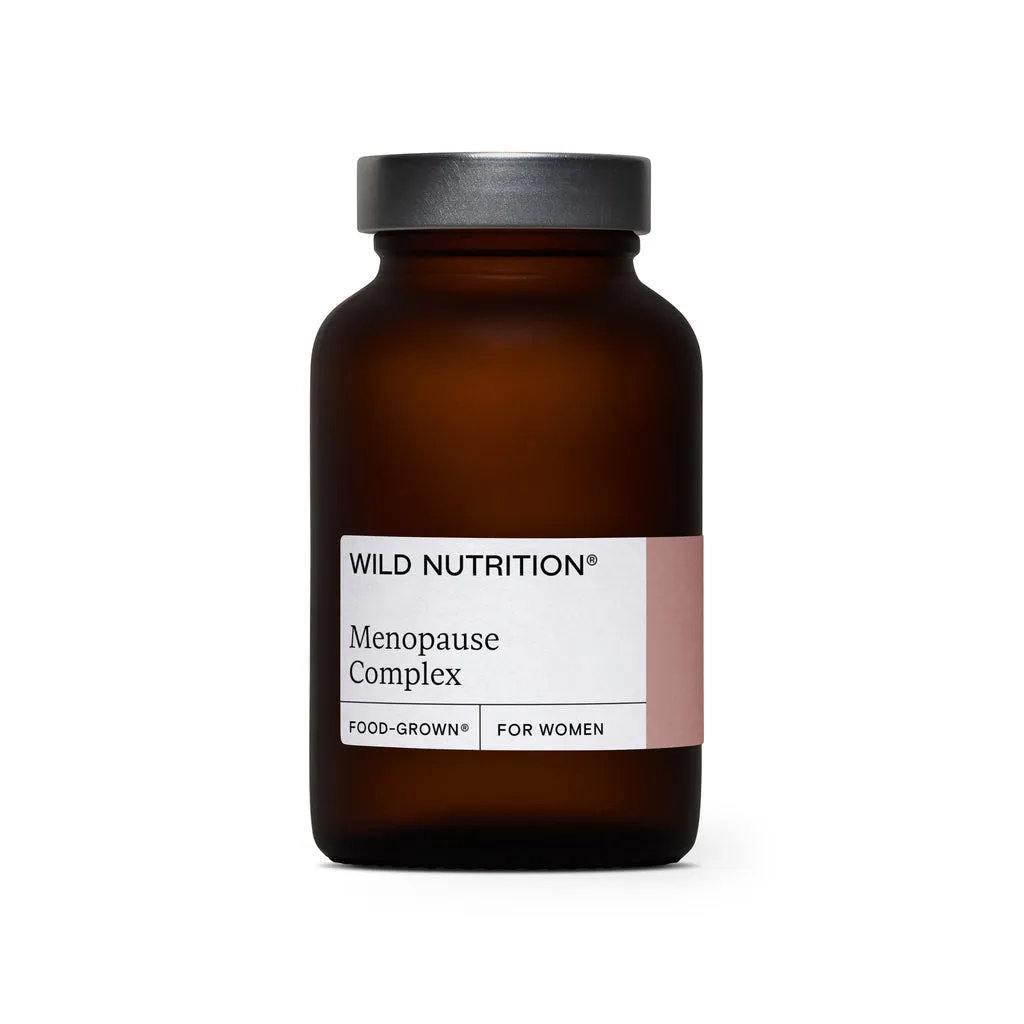
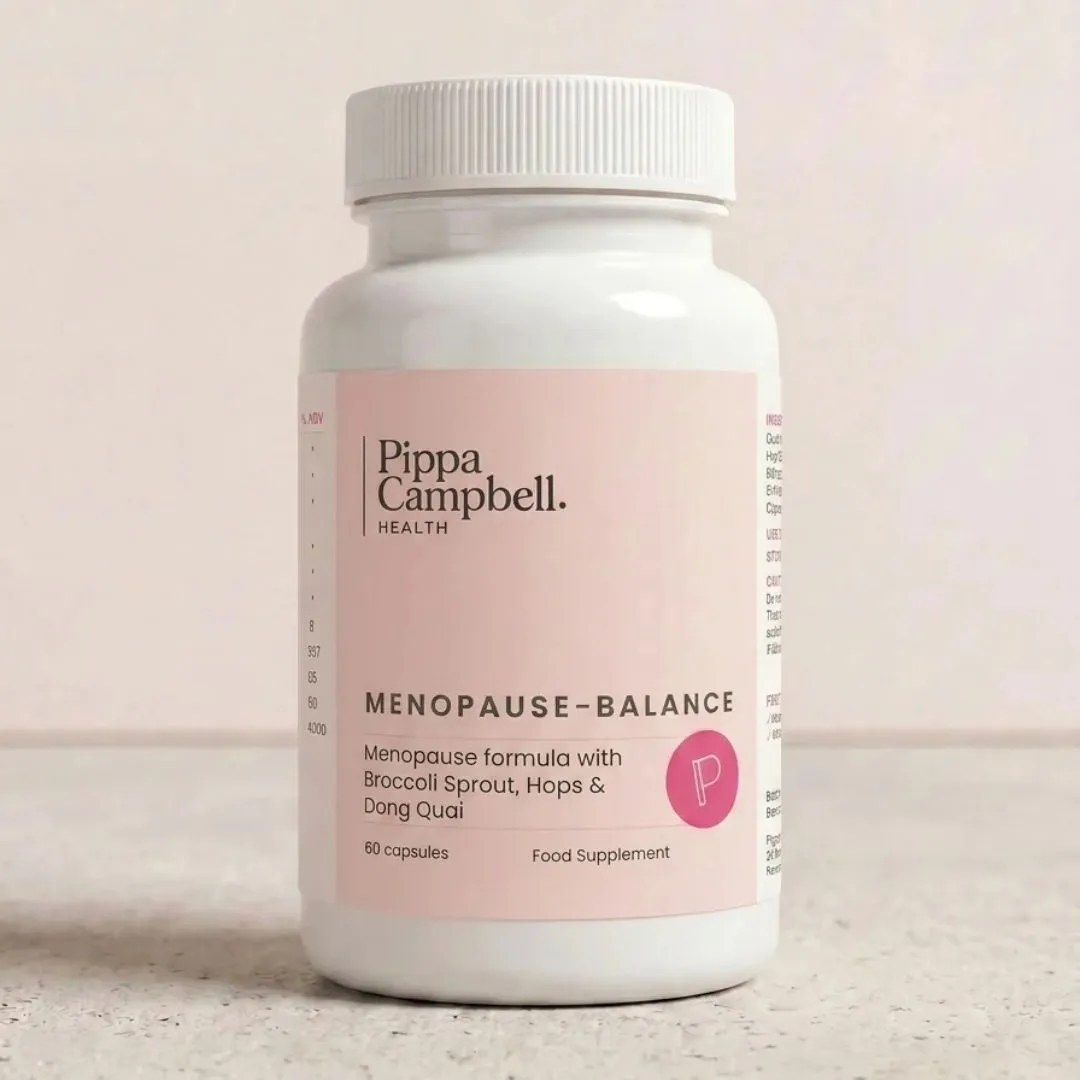
We have checked 7 menopause supplements sold in the UK. None have clear proof for its main claim, and 7 came back with mixed or limited evidence. Each check links to the studies behind its answer.
Are the doses in menopause supplements high enough?
Where we could compare an ingredient with the amount used in studies, 20 of 21 sat below it. Vitamins and minerals are judged against daily needs instead.
How much of a menopause supplement is just vitamins and minerals?
Across the 7 we checked, 55 of 111 ingredients are vitamins and minerals at 15% or more of the daily reference, the kind found in a basic multivitamin.
Where can I get help with menopause symptoms?
Your GP or a pharmacist can talk you through the options, including HRT. The NHS menopause guide is a good place to start.
What the trials actually found
One short note per moment of your day, in the same order as the strip at the top. The small numbers point to the trials listed under each note. These are ingredient facts, not product facts: no tub is named.
Tiredness
None of the trials we hold tested tiredness in women going through menopause. The nearest we have: vitamin D with calcium made no difference to energy over six years1, iron helped only women whose iron stores were low2, and extra B12 made no difference when B12 was already normal3.
The trials
1Vitamin D, 400 IU a day with 1,000 mg of calcium, postmenopausal women, nearly six years: no change in energy or tiredness scores.LeBlanc 2015, PMID 26044075
2Iron, 80 mg a day, 198 menstruating women with low iron stores and no anaemia, 12 weeks: tiredness fell by 48%, against 29% on placebo.Vaucher 2012, PMID 22777991
3Vitamin B12, older adults: any lift depended on how low B12 was to start with, and there was none when it was already normal.Miles 2017, PMID 28225050
Brain fog
None of the memory or focus trials we hold was run in menopause, and none tested brain fog itself. Ginkgo made no difference in healthy adults over 601, and soy isoflavones gave a gain on memory tests too small to notice day to day2. Ashwagandha's results come from small trials of different extracts, so no dose carries from one tub to another34.
The trials
1Ginkgo, 120 mg a day, 230 healthy adults over 60, six weeks: no gain on memory, attention or language tests.Solomon 2002, PMID 12186600
2Soy isoflavones, 16 trials, average age about 60: a small average gain in memory and overall thinking scores.Cui 2020, PMID 31504836
3Ashwagandha root extract, 600 mg a day, 50 adults with mild cognitive impairment, eight weeks: memory and attention scores improved.Choudhary 2017, PMID 28471731
4Ashwagandha sustained-release root extract, 300 mg a day, 130 stressed but healthy adults, 90 days: recall improved, alongside stress and sleep scores.Gopukumar 2021, PMID 34858513
Hot flushes and night sweats
This is the one moment where the trials were run in menopause. Soy isoflavones cut hot flushes by about a fifth, slowly, and did not reduce night sweats12. Red clover34 and black cohosh56 split: pooled results lean positive, the largest single trials found no more benefit than placebo; sage reduced flushes in pooled trials7, and hops has one small trial whose early gain faded8.
The trials
1Soy isoflavones, around 54 mg a day, 17 trials, six weeks to a year: hot flushes about a fifth less frequent and a quarter less severe than on placebo. Most labels print plant weight, not an isoflavone figure.Taku 2012, PMID 22433977
2Isoflavones, 62 studies pooled: about 0.8 fewer hot flushes a day; night sweats did not fall significantly.Franco 2016, PMID 27327802
3Red clover isoflavones, 8 trials: about 1.7 fewer hot flushes a day, more at 80 mg or above and in women with frequent flushes; most of these trials were paid for by the makers.Kanadys 2021, PMID 33920485
4Red clover, two standardised products, 246 women, 12 weeks: no better than placebo.Tice 2003, PMID 12851275
5Black cohosh, 22 trials, 2,310 women: a modest improvement in hot flushes and overall symptoms; some of the trials used combination products.Sadahiro 2023, PMID 37192826
6Black cohosh, 160 mg a day, 351 women, 12 months, publicly funded: no better than placebo.Newton 2006, PMID 17179056
7Sage extract, postmenopausal women, trials pooled: fewer hot flushes; the preparations and doses were not interchangeable.Moradi 2023, PMID 37489230
8Hop extract standardised to 100 or 250 micrograms of 8-prenylnaringenin a day, one small trial, 12 weeks: an early gain was not clearly held at 12 weeks.Heyerick 2006, PMID 16321485
Low mood
The mood trials run in menopause are small and short. Maca lowered depression scores in two small trials of postmenopausal women12, and soy isoflavones gave a small gain in five trials with a high risk of conflict of interest3. Black cohosh did not improve mood across 22 trials4, and calcium with vitamin D made no difference over six years5.
The trials
1Maca, 3.5 g a day, 14 postmenopausal women, six weeks each way: depression and psychological scores improved against placebo; hormones unchanged.Brooks 2008, PMID 18784609
2Maca, 3.3 g a day, 29 postmenopausal women, six weeks each way: depression scores lower than on placebo.Stojanovska 2015, PMID 24931003
3Soy isoflavones, five trials, 425 women: a small gain on depressive symptoms, no gain in overall symptoms or quality of life; the trials carried a high risk of conflict of interest.Gençtürk 2024, PMID 38825560
4Black cohosh, 22 trials: no significant improvement in depressive or anxiety symptoms.Sadahiro 2023, PMID 37192826
5Vitamin D with calcium, postmenopausal women, nearly six years: no change in emotional wellbeing.LeBlanc 2015, PMID 26044075
Poor sleep
None of the sleep trials we hold was run in menopause, and they are short. Ashwagandha modestly improved sleep in five trials, most of them linked to its maker1; magnesium gave a small, self-reported improvement in one four-week trial2. Calcium with vitamin D did not change sleep in postmenopausal women3, and black cohosh, red clover and shatavari have no sleep trial of their own.
The trials
1Ashwagandha root extract, 600 mg a day or more for at least eight weeks, five trials, 400 adults, mostly with insomnia or anxiety: a modest improvement in sleep; most of the trials were linked to the extract's maker.Cheah 2021, PMID 34559859
2Magnesium bisglycinate, 250 mg of magnesium a day, 155 adults aged 18 to 65 with poor sleep, four weeks: a small self-reported improvement in insomnia scores.Schuster 2025, PMID 40918053
3Vitamin D with calcium, postmenopausal women, nearly six years: no change in sleep disturbance.LeBlanc 2015, PMID 26044075